
Originally published by Illuminem
Smoke from cooking is estimated to cause 21,000 deaths a year, and wood fuel adds pressure on forests, a quarter of which are expected to be lost by 2030.
INTRODUCING THE PROBLEM
Nearly two billion people cook with wood and charcoal, and Madagascar is among the hardest hit. Fewer than 1% of Malagasy people use clean fuels and technologies. More than 80% of rural households cook with firewood, and more than 60% of urban households cook with charcoal, mostly on three-stone fires or fatapera stoves. Smoke from cooking is estimated to cause 21,000 deaths a year, and wood fuel adds pressure on forests, a quarter of which are expected to be lost by 2030.
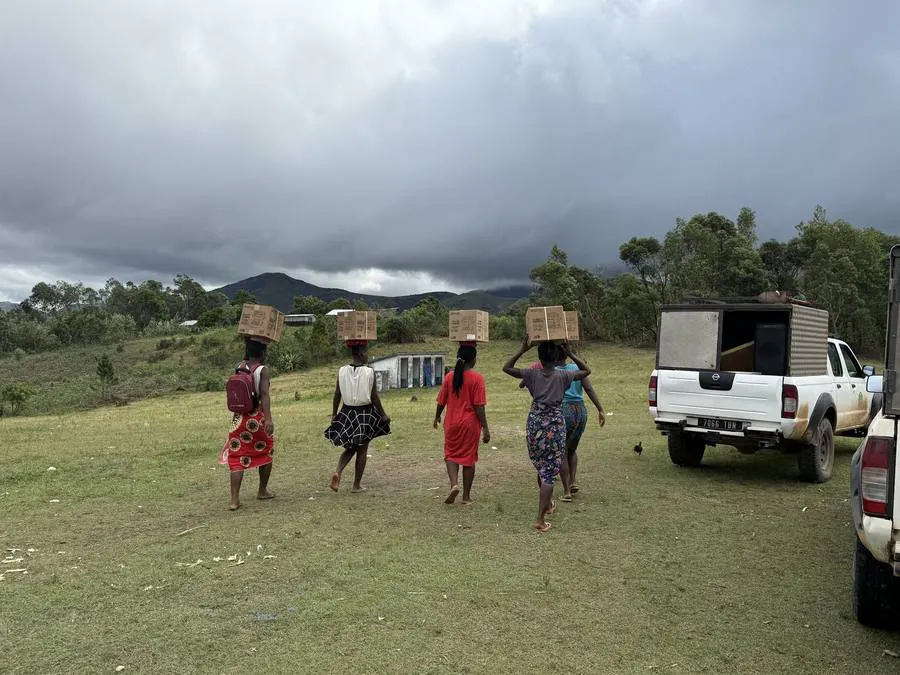
Women and girls carry the burden: fuel collection can take a third to half of the day. In the project area, the Anosy Region in the far south, a 479-household survey found that women do 96% of the cooking and 93.5% of fuel collection, with 40% of women spending over three hours a day on fuel alone. A third had no free time at all, and only 2% said household tasks were shared equally. 73% reported symptoms such as coughing and sore eyes, and children were often by the fire.
Cost keeps cleaner and more efficient stoves out of reach, preventing the multi-faceted SDG benefits of improved cooking reaching the people of the Anosy Region.
SOLUTIONS TO THE PROBLEM
Efficient cookstoves are one of the fastest ways to reduce fuel consumption, smoke and emissions where clean fuels and technologies are out of reach. Progress is real but remains slow: around 12 million people in sub-Saharan Africa gained access to clean cooking in 2024, yet population growth meant the total number without access still rose by around 14 million. Investment in the region’s clean cooking sector reached USD 770 million in 2024, and of the USD 2.2 billion pledged at the 2024 Summit on Clean Cooking in Africa, only around USD 740 million had been disbursed by May 2026.
A stove alone is not enough. Time saved by a household is not automatically time a woman can choose how to use or use effectively. Lasting change needs to pair the technology with work on household and community norms, and to continue with sensitisation and support long after the stoves have been distributed.
The world’s first Gender Responsive cookstove programme does this. It covers the cost of the stove together with the training, follow-up visits, monitoring and gender programme that keep the benefits going. Gold Standard’s Gender Responsive certification makes those gender outcomes measurable and independently verified.
OVERVIEW OF THE PROJECT
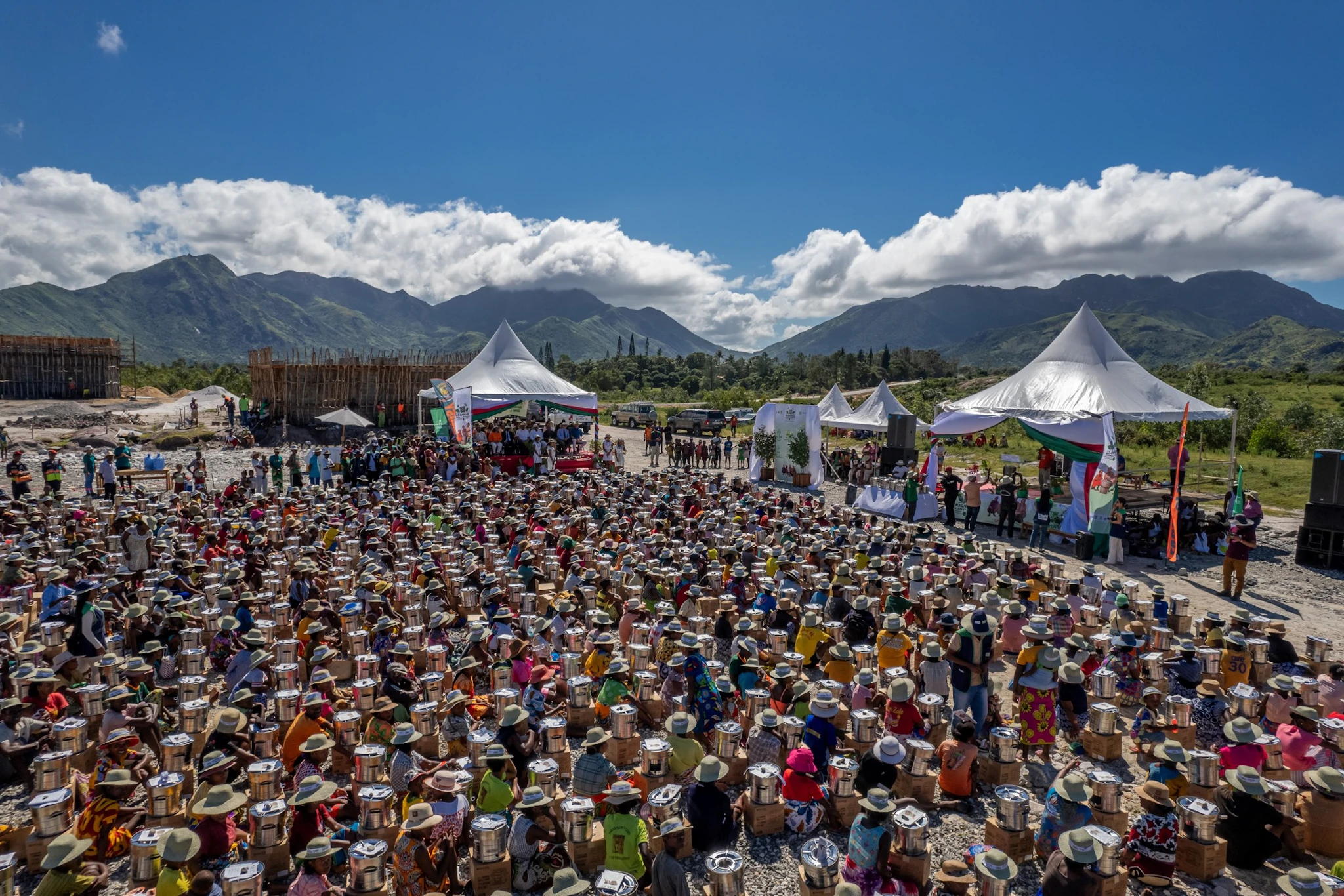
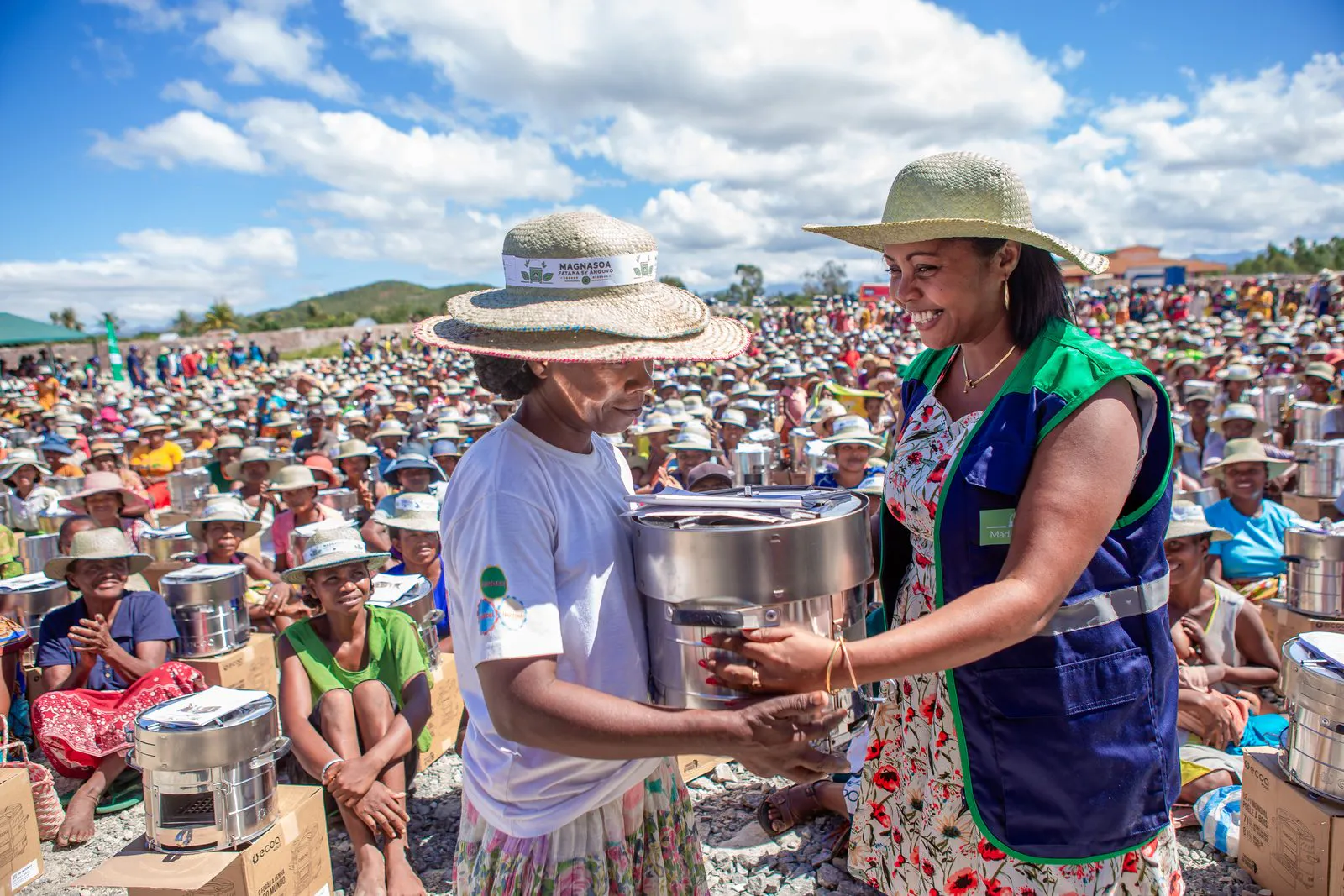
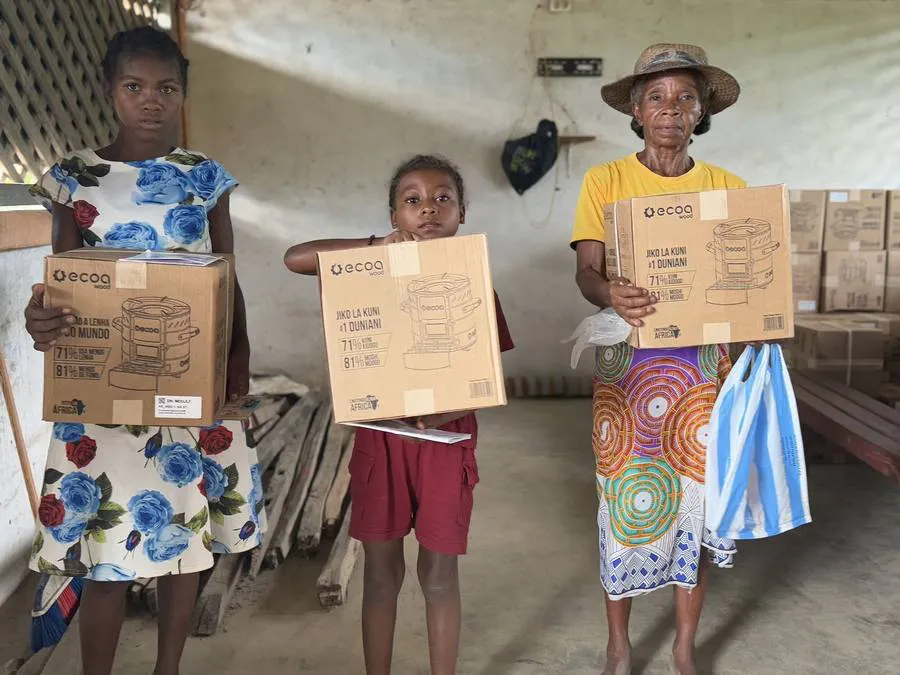
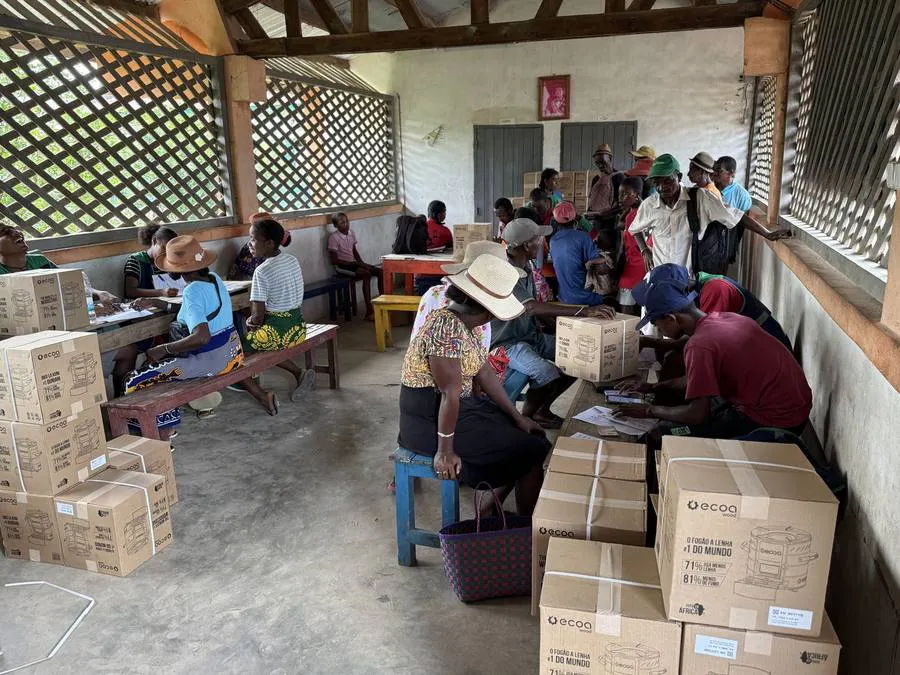
The GS12600 Improved Cooking programme, managed by SaniTap, distributed 120,036 efficient BURN Ecoa wood and charcoal stoves to 90,234 households across the Anosy Region between February and December 2025.
The project is the first ever improved cookstove project to be certified as Gender Responsive. The project was designed and delivered based on maximising three principles: quality, integrity and impact. Other attributes include:
- CCP labelled;
- Digital usage monitoring;
- MoFuSS fNRB;
- Two stoves for urban households; and
- Between 1 and 2 tCO2e saved per household per year.
The project was designed around gender from the outset. An in-depth gender analysis, involving the 479-household baseline survey and focus groups with 232 participants, shaped a Gender Action Plan, delivered by gender experts, with measurable goals for women’s economic empowerment and safeguarding against gender-based harm.
WHY DID YOU CHOOSE TO DEVELOP THIS PROJECT WITH A GOLD STANDARD METHODOLOGY?
We certified the project with Gold Standard as it is the natural home for a high-quality, high-impact project. Gold Standard has always been at the forefront of community-based projects, especially cookstoves, and is known for the methodological integrity of carbon accounting and the monitoring of SDG impacts. The project goes above and beyond in terms of delivery, impact, and monitoring, and Gold Standard recognises and enhances these aspects of the project.
Andrew Tanswell, CEO, SaniTap Ltd
IMPACT AND BENEFITS
IMPACT & BENEFITS OF THE PROJECT
The Gender Goals monitored in the Gender Responsive programme are:
- Economic empowerment goals; and
- Safeguarding against gender-based harm.
The project activity included conducting economic workshops, gender sensitisation for men and women, involving male ally groups, training, and focus groups.
In its first monitoring period (February–December 2025), the project:[1]
• Reduced emissions by 76,607 tCO₂e, all issued as Gold Standard VERs;
• Saved households 2.5 hours a day on cooking and fuel collection, time that mostly belongs to women;
• Led 83.2% of households to report higher income, with 40.7% using the time saved for income-generating work; and
• Created 70 full-time, permanent jobs, 30 of them held by women.
The gender results are what set this project apart. 85% of women reported a better quality of life, and 66% reported a change in their practices, attitudes or income because of the time freed up.
As the project’s gender study puts it, the central issue is not only freeing up time, but recognising women’s right to decide how that time is used.
[1]GS12600 Improved Cooking Monitoring Report MP1 V2.2, Section A.1 and Table 1 (Sustainable Development Contributions Achieved).
IMPACT & BENEFITS OF THE PROJECT
The Gender Goals monitored in the Gender Responsive programme are:
- Economic empowerment goals; and
- Safeguarding against gender-based harm.
The project activity included conducting economic workshops, gender sensitisation for men and women, involving male ally groups, training, and focus groups.
In its first monitoring period (February–December 2025), the project:
- Reduced emissions by 76,607 tCO₂e, all issued as Gold Standard VERs;
- Saved households 2.5 hours a day on cooking and fuel collection, time that mostly belongs to women;
- Led 83.2% of households to report higher income, with 40.7% using the time saved for income-generating work; and
- Created 70 full-time, permanent jobs, 30 of them held by women.
The gender results are what set this project apart. 85% of women reported a better quality of life, and 66% reported a change in their practices, attitudes or income because of the time freed up.
As the project’s gender study puts it, the central issue is not only freeing up time, but recognising women’s right to decide how that time is used.
“Gender Responsive certification holds us to a higher standard. It asks whether women get time back, whether they decide how that time is used, and whether their household is better off for it. In our Anosy programme, women now save two and a half hours a day. That is the change buyers support when they choose to buy our credits with the higher quality Gender Responsive label.”
— Andrew Tanswell, CEO, SaniTap Ltd
Community member quotes
Local women said:
“Before, I was exhausted before evening. Now I can rest a little.”
— Ankaramena
“There is time I can use to look after small jobs.”
— Morafeno
Local men said:
“I never thought cooking every day was so exhausting.”
— Men’s ally group
“A real man is one who protects his family’s health.”
— Men’s ally group
CONCLUSION / CALL TO ACTION
The Gender Responsive Certification and CCP-eligibility show that improved cookstove projects can be much more impactful and complex than simply distributing technologies. By conducting the Gender Responsive activities, along with digital usage monitoring, MoFuSS derived fNRB, and two cookstoves for urban participants, the SaniTap improved cookstove programme is a world first and market leader in both creating impact and monitoring and reporting of that impact.
All 76,607 credits from the first monitoring period have been issued on the Gold Standard Registry. Each one carries the SDG 5 Gender Responsive label and is eligible for the ICVCM Core Carbon Principles (CCP) label, so buyers can show verified gender impact and high integrity alongside their climate action.
Support women and families in southern Madagascar by purchasing credits from this project.
About SaniTap Ltd
SaniTap Ltd is a UK-registered company that develops and manages Gold Standard projects in Madagascar. As the Coordinating/Managing Entity of Programme of Activities GS12600, SaniTap uses carbon finance to bring clean cooking and safe drinking water to Malagasy households, covering the cost of the technology, community engagement and long-term monitoring. Its cookstove programme in the Anosy Region is delivered with the NGO MadAvance and a team of gender consultants, and is certified under Gold Standard’s Gender Responsive requirements. Every benefit the project claims is measured through household surveys, kitchen performance tests and independent verification.