Originally Published on Illuminem.
Methane is responsible for around 30% of global warming since pre-industrial times, and cutting it is one of the fastest ways to slow climate change.
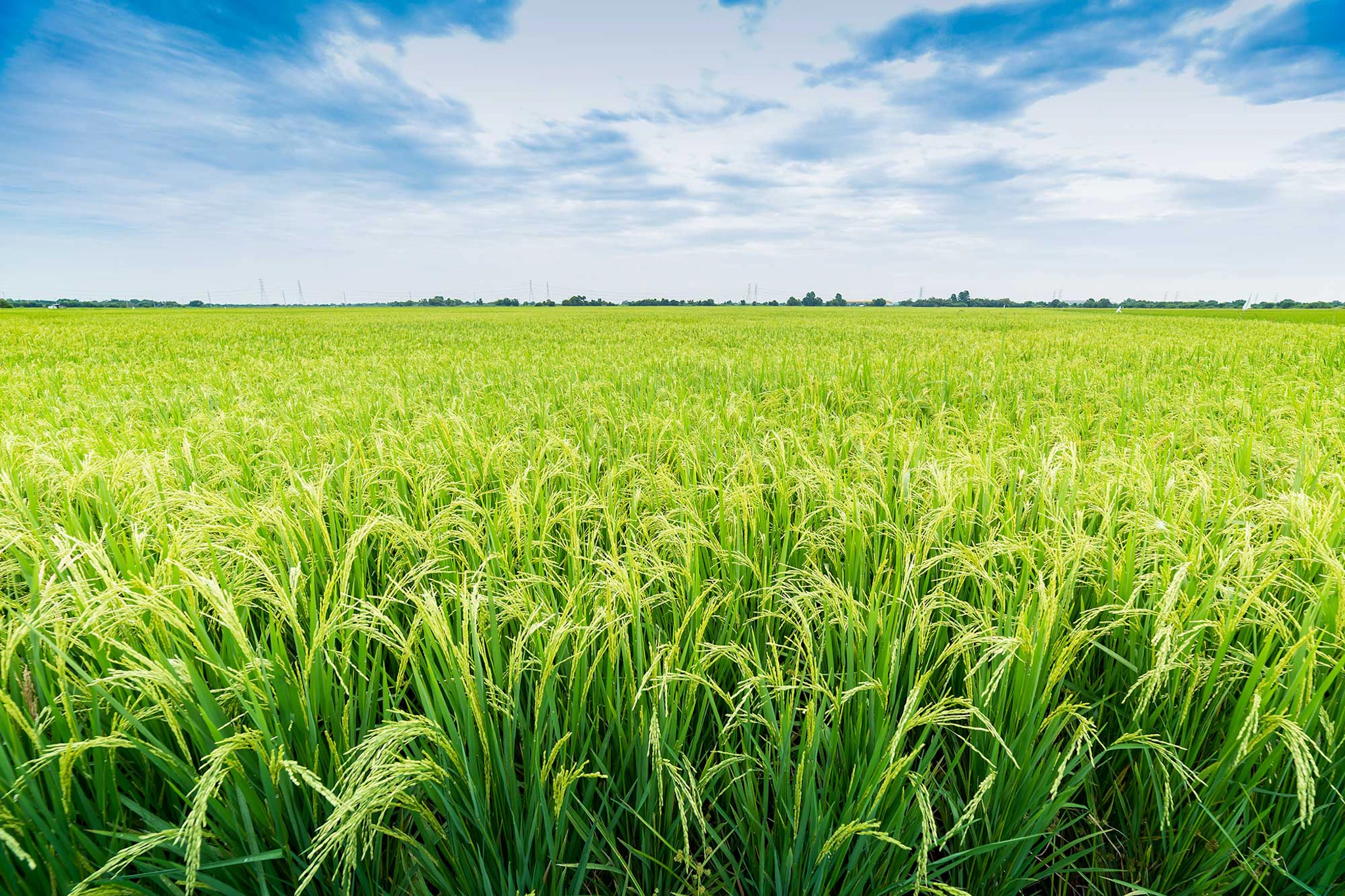
Yet progress is deeply uneven. The two largest sources are agriculture (40%) and fossil fuels (35%), but while smallholder farmers in some of the world's poorest communities are changing centuries-old practices to reduce their emissions, many of the biggest corporations on the planet have been far slower to follow.
In May 2026, the International Energy Agency found no sign that methane emissions from fossil fuel operations are falling, despite well-known mitigation pathways existing for the sector. Over 35 Mt of methane could be avoided at no net cost as the value of the gas captured outweighs the cost of capturing it. Yet emissions remain stubbornly high, driven largely by wealthy nations: China, the United States and Russia are the largest fossil fuel methane emitters.
Meanwhile, in the paddy fields of India, Brazil, Vietnam and Pakistan, smallholder farmers with limited resources are reducing emissions by up to 50% through relatively simple changes to cultivation practices.Some are empowered to do so through carbon markets, which provide the financial incentive to adopt cleaner practices that would otherwise be out of reach.
Most people are unaware this is happening. Yet it represents one of the most compelling examples of climate action available: some of the world's least economically powerful communities taking concrete steps that the world's wealthiest industries have so far failed to match.
The challenge with rice
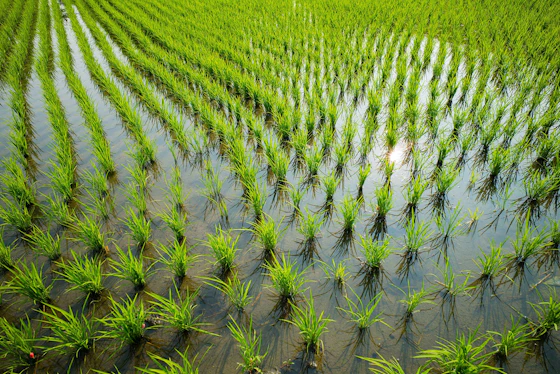
Rice feeds more than four billion people. It is also a significant source of methane. When rice fields are flooded - as they traditionally are - the waterlogged soil becomes oxygen-free. Specialised bacteria decompose organic matter in these conditions, releasing methane as a byproduct. Globally, rice cultivation accounts for a significant share of agricultural methane emissions, comparable in scale to the entire international aviation sector.
Global rice demand is on rise and will continue to grow by 30% over the next 25 years1. Climate change is contributing to longer-term changes in rice production. While some regions may see temporary benefits, the overall global impact is expected to be negative2. Climate change is also reducing the nutritional value of rice3. Thus, methane emissions from rice cultivation are bound to grow in a business-as-usual scenario.
But the same fields that produce this methane can be managed differently, with impressive results.
Solutions at the smallholder level
By reducing the time a field is flooded, farmers can reduce anaerobic decomposition and cut methane emissions significantly. Approaches include Alternate Wetting and Drying (AWD), periodically allowing fields to dry before re-irrigation (cuts methane by 30% to 70%), flood-and-drain cycling (between 32% and 80%), and drip irrigation (up to 90%). Beyond water management, farmers are also introducing methane-consuming bacteria to paddy fields (cutting emissions by 12% to 60% and improving rice growth and yields by 10% to 35% or more), applying biochar to store carbon in the soil (15% to 86%), and switching to rice varieties with smaller stalks that require less organic matter to grow (30% to 70%).
These are not marginal adjustments. They represent a meaningful and measurable shift in how one of the world's most important crops is produced.
Climate action with multiple benefits
What makes this particularly powerful is that reducing methane emissions from rice does not require farmers to sacrifice yield or income. In most cases, the opposite is true.
Water savings can be substantial, as high as 90%. This matters enormously: traditional flooded rice farming consumes up to 43% of the world's total irrigation water, and water scarcity is an accelerating pressure across the regions where rice is most heavily grown.
Demand for synthetic fertiliser also falls. When fields are periodically dried, oxygen enters the soil, triggering natural processes that unlock organic nutrients. Rice plants can absorb these more efficiently, reducing the need for costly inputs. For smallholder farmers who often spend upwards of 60% of their revenue on variable costs, including fertiliser, this is a significant economic benefit.
Crucially, yields are not just maintained, they frequently improve. Given that rice supplies around 20% of global caloric consumption and is the primary daily staple for over 3.5 billion people, the food security implications of this are profound.
Carbon finance: making the transition possible
For many smallholder farmers, the primary barriers to adopting these practices are not technical, they are financial. New techniques carry risk. Training takes time. Equipment has an upfront cost. Carbon finance addresses this by creating a direct economic return for every tonne of emissions reduced, making the transition viable for farmers who could not otherwise afford to take the risk.
Gold Standard is pioneering approaches to scale this in a way that is accessible across a broad range of project sizes, from individual smallholders to large agricultural estates.
Our latest rice methane methodology, Digital Rice Emission Avoidance Methodology (DREAM), See Draft Methodologyexpands the number of farmers eligible to participate in carbon markets while strengthening the credibility of the credits they generate. Smallholder farmers can participate using satellite-based remote monitoring rather than costly physical equipment, while the core practice of AWD is simple enough for farmers with no formal education to understand and implement, a significant advantage when working at scale across fragmented, dispersed farmland.
The buyers funding these projects can be assured that their investment is delivering genuine climate impact alongside real benefits for local communities.