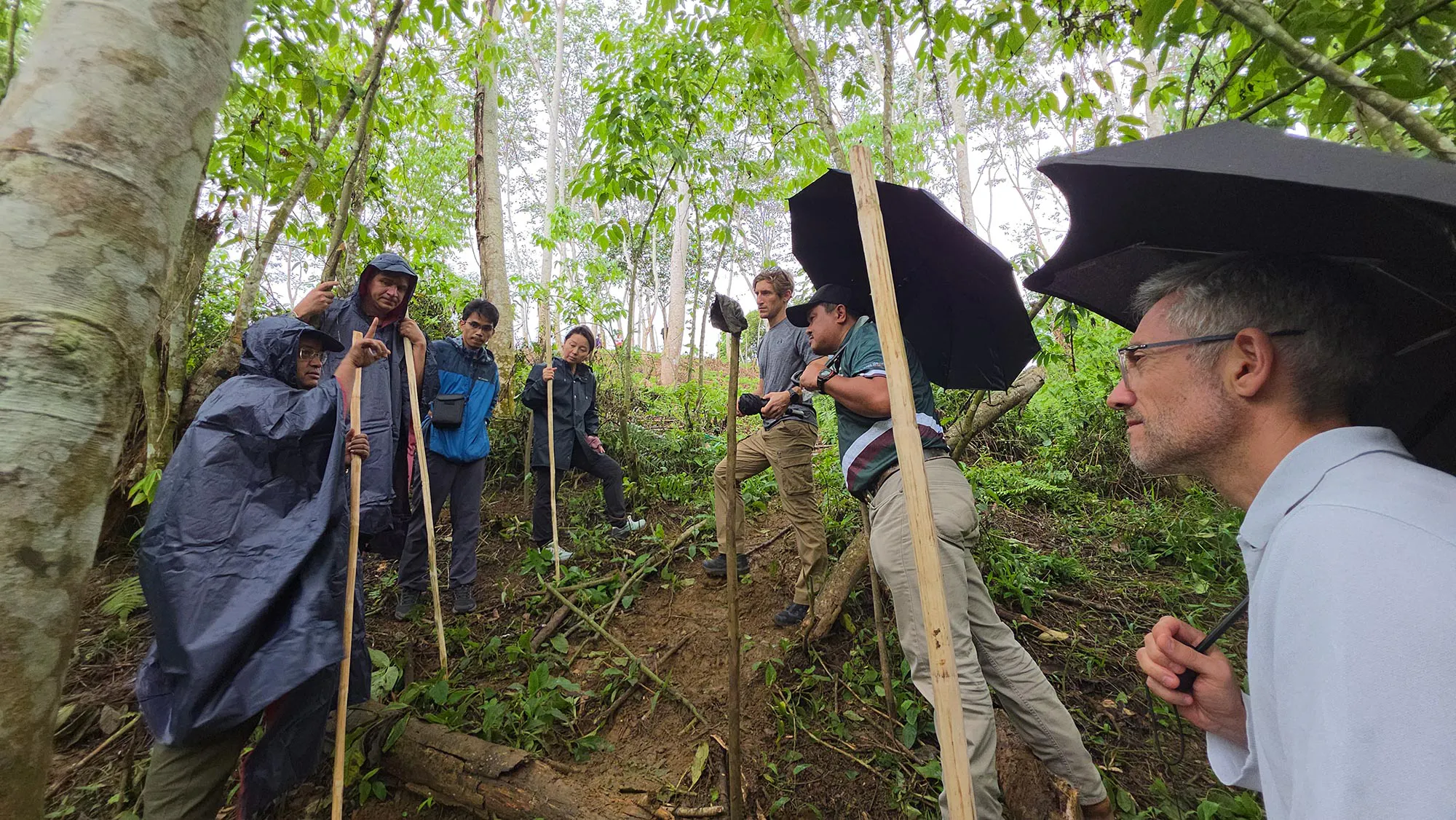
“Without these forests, we will run out of water for future generations,” said the Mayor of Quezon with conviction. I heard it as both a warning and an incentive.
The visit
In Bukidnon, in the Northern Mindanao region of the Philippines, the EAGLE project is working with Indigenous communities to restore forests that sustain local watersheds, livelihoods and biodiversity. Led by the Hineleban Foundation in partnership with Livelihoods, the project aims to restore 7,500 hectares of degraded land. Restoration on this scale is not simply a matter of planting trees. It depends on the knowledge, choices and lasting commitment of the people who care for the land. That makes the work more complex, but worth the effort.
The project area faces significant poverty. In our one-hour conversation, the mayor’s hopes for the project were very clear: reforest the mountains, secure water for local people, and improve livelihoods for Indigenous Peoples’ communities. Looking at the map of Bukidnon, I began to understand the stakes. With that in mind, Lokesh Dube (Gold Standard’s Head of Standard Development Management) and I set out to visit the project.
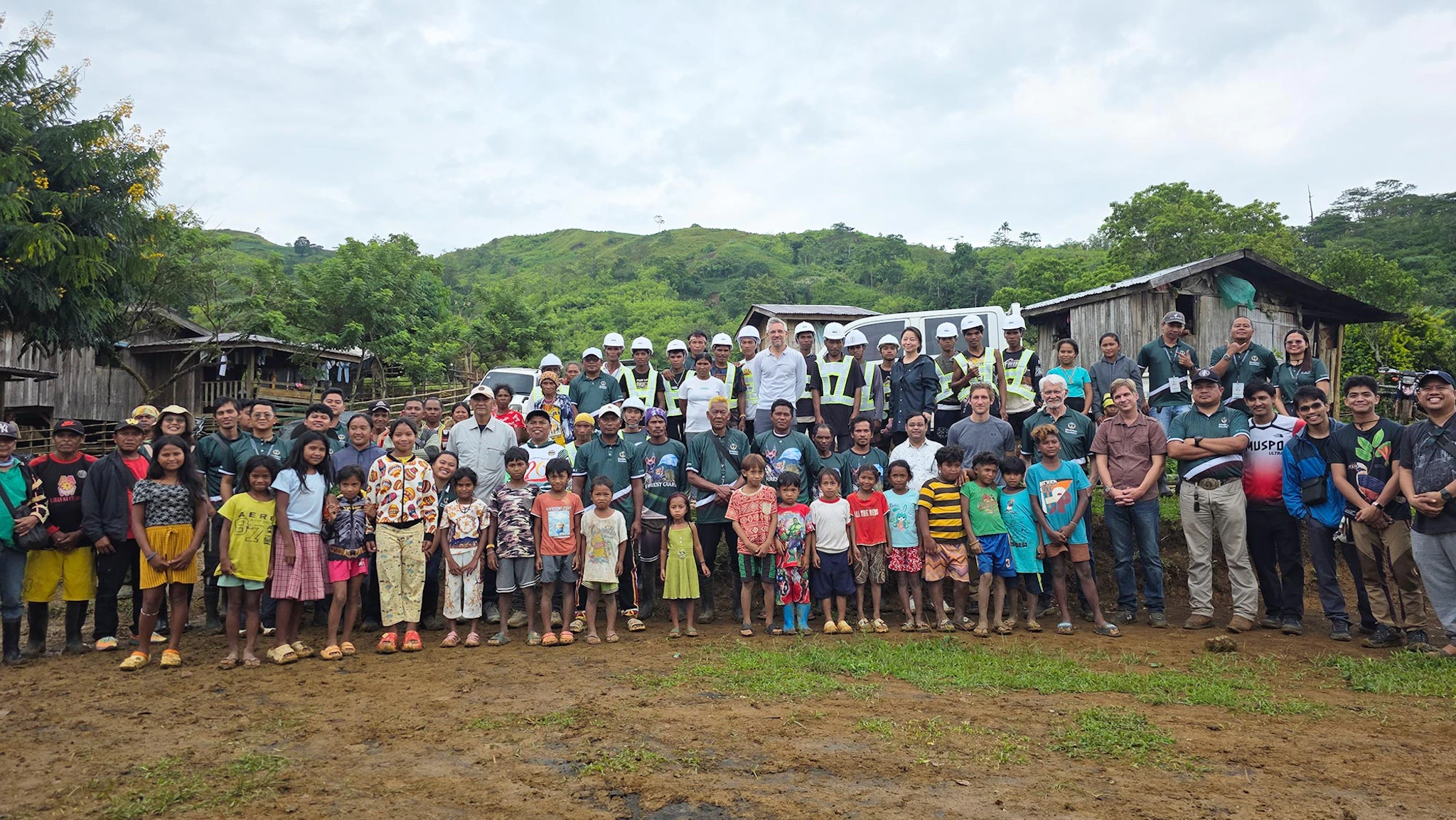
The two-hour drive along an undulating path offered a first glimpse of the practical challenges ahead. On arrival, a traditional entrance ritual helped the community discern the meaning of our visit, and the datos, the community leaders, greeted us in accordance with their customs. Two communities welcomed us, each with its own traditions. I felt the privilege of being invited in, and the responsibility to listen carefully.
The forests in Bukidnon and neighbouring Lanao are part of the watersheds that sustain communities across the region. The project area also proposes to connect important biodiversity hotspots across the province. In the communities we visited, restoration is about livelihoods and the future people want for their children. That requires a full understanding of the landscape’s complexity and plenty of preparations for the long work ahead.
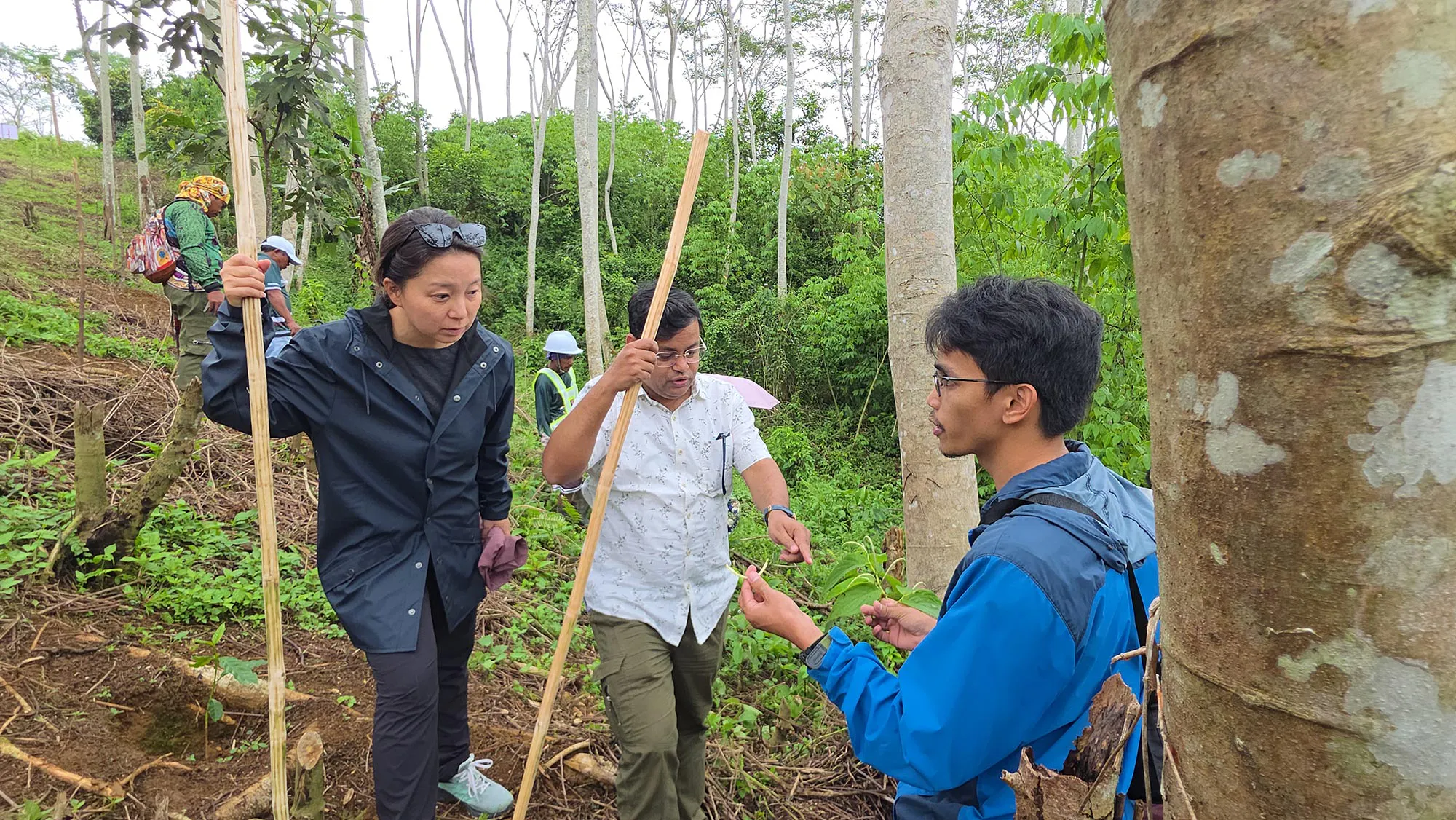
We heard about that complexity in practical detail: which tree species communities want to grow, how they identify healthy seedlings, what it takes to manage a nursery, and how difficult it can be transporting plants over challenging terrain. We discussed unpredictable weather and the complicated role of buyo-buyo: a fast-spreading invasive plant that can compete aggressively for soil nutrients, but can also help control soil erosion, reduce wildfire risk on hillsides, and play a transitional role in restoring forests.
I was struck by how community members spoke about climate change during practical discussions about extreme weather, seedlings and what it takes to restore a forest. In an office or at global negotiations, the phrase can sound abstract. Here, it is an everyday reality.
Science and local knowledge
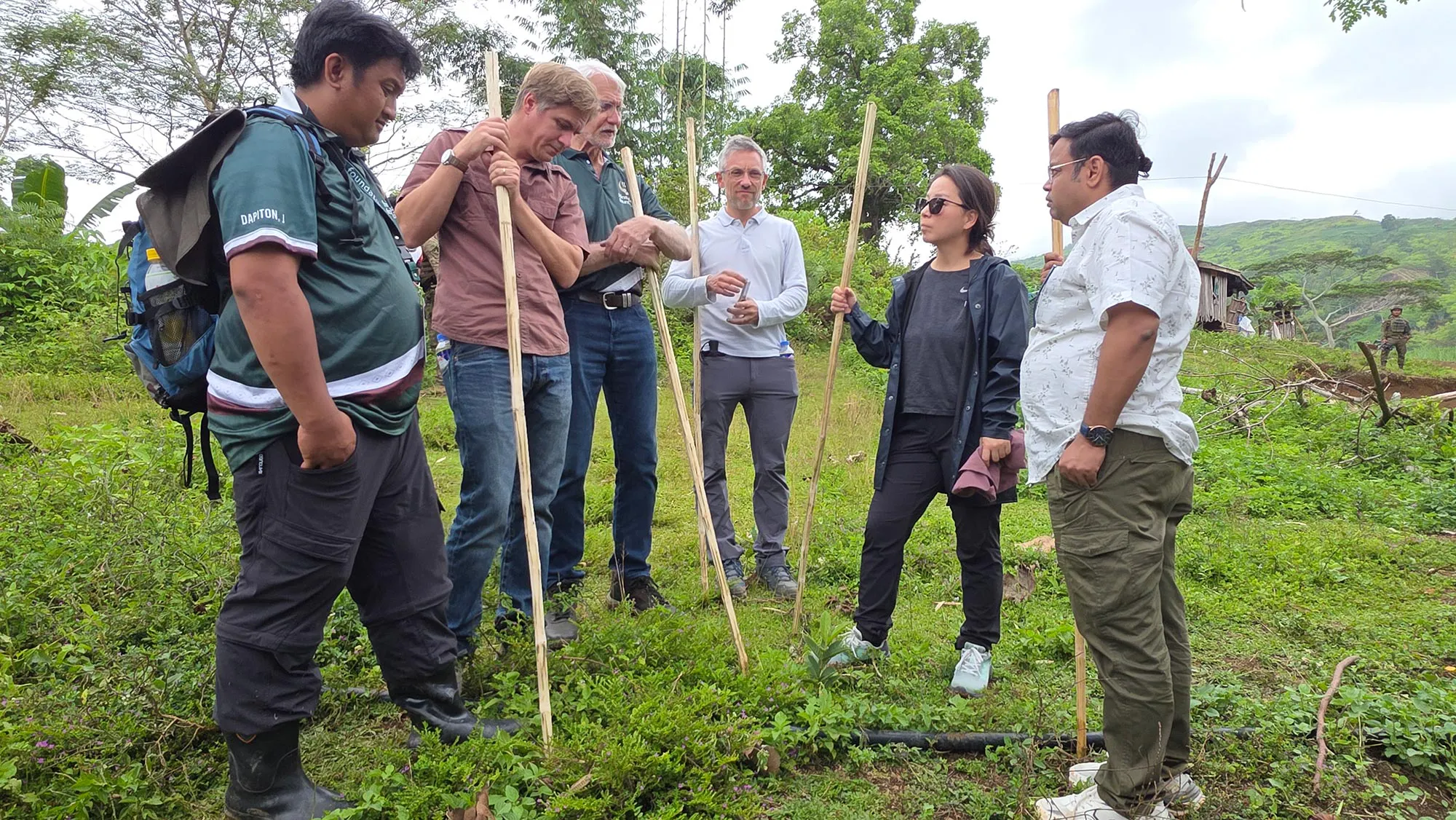
These conversations showed me why restoration needs both the latest science and local knowledge. Academics and foresters can bring essential expertise on soils, rainfall, native species and invasive plants, but it must combine with the experience of people who have cared for these forests across generations. As I struggled to keep up with a local ascending a steep muddy planting area in his flip-flops, I was reminded that these forests are their home.
Indigenous communities are not simply taking part in restoration. They are the guardians of these forests. Their leadership, customs and connection to ancestral lands must inform and shape how the work is planned and carried out. That makes it more demanding, but also deeply meaningful.
The mayor spoke about a shift in how Indigenous Peoples in the region work together: from what he described as “only harmony, whether right or wrong” towards bodong (translating roughly to "to tie or bind firmly") and “collective accountability.” I saw something of that shared responsibility in the community discussions as people shared knowledge, raised concerns and deliberated together about what restoration requires. This community buy-in is essential for the project - lasting change depends on relationships and shared commitment, as much as on technical plans.
Growing trees can be accelerated with a mastery of science, but caring for them takes patience, resilience, respect and compassion. Trees grow slowly; so does trust. Both need tending, especially through difficult seasons when progress is hard to see.
What this means for our work
Gold Standard’s STARR methodology recognises and responds to this. Designed to quantify carbon removals from afforestation, reforestation and revegetation activities that sustainably transform a degraded landscape, it takes a modular approach that matches technical requirements to project context. Its compliance tracks and pathways suit different project types and scales, including community-based restoration, while keeping high-integrity accounting practical and accessible. For a project like EAGLE, a fit-for-purpose route to measuring climate impact can make all the difference, supporting long-term climate finance alongside the broader work of restoring ecosystems and supporting communities.
During the visit, Lokesh shared his own community experience with one of the communities: “The one who protects nature, nature protects them”. Those words stayed with me. They echoed what the mayor had said and reflect Gold Standard’s work. Care for the forest is also care for the water, the wildlife and the generations still to come.
That is the kind of climate action I believe in, and that we strive towards at Gold Standard: grounded in science, shaped with communities, and guided by respect and impact for people and nature.