
One project benefiting 1.2M people and impacting six Sustainable Development Goals
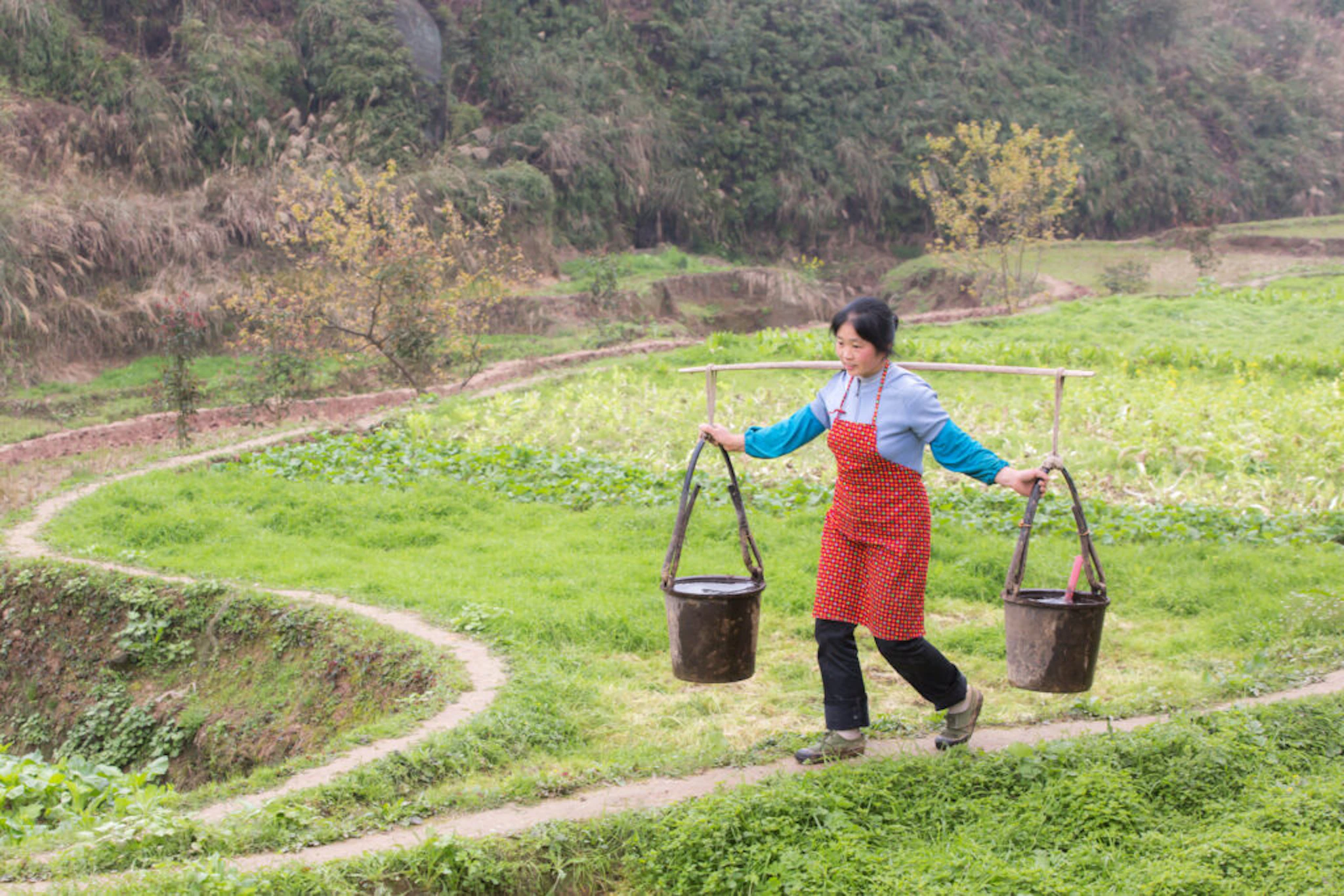
Back in 2010, when the Sichuan Household Biogas Programme was launched, the province of Sichuan was among the least developed regions in China, with an average annual per capita income for poor farming households of approximately €500. The region is also highly vulnerable to natural disasters. In 2008, a devastating earthquake claimed around 70,000 lives and left a further 4.8M people homeless.
The programme aims to improve the lives of the poorest and most vulnerable people in rural Sichuan while contributing to protecting the earth’s climate and promoting sustainable development. To this end, it exclusively addresses low-income smallholders with just a few livestock and uses carbon finance to help them afford the purchase and maintenance of biogas digesters.
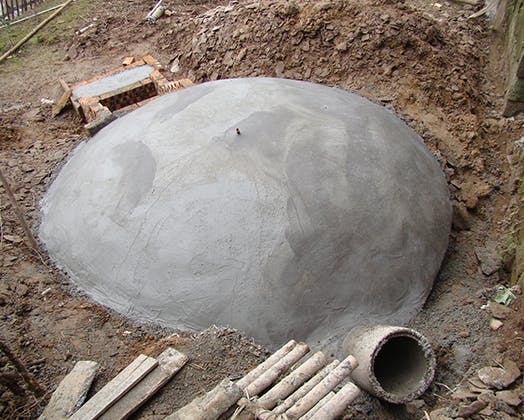
To date, the project has already benefited around 400,000 households, improving the daily lives of some 1.2M people. Biogas digesters are fed with animal manure previously discharged into open pits and convert this waste into clean, affordable biogas for cooking, heating and lighting. By switching from coal and firewood to biogas as their fuel source, each participating smallholder farmer family saves around 2 tCO2e of methane and carbon dioxide emissions annually.
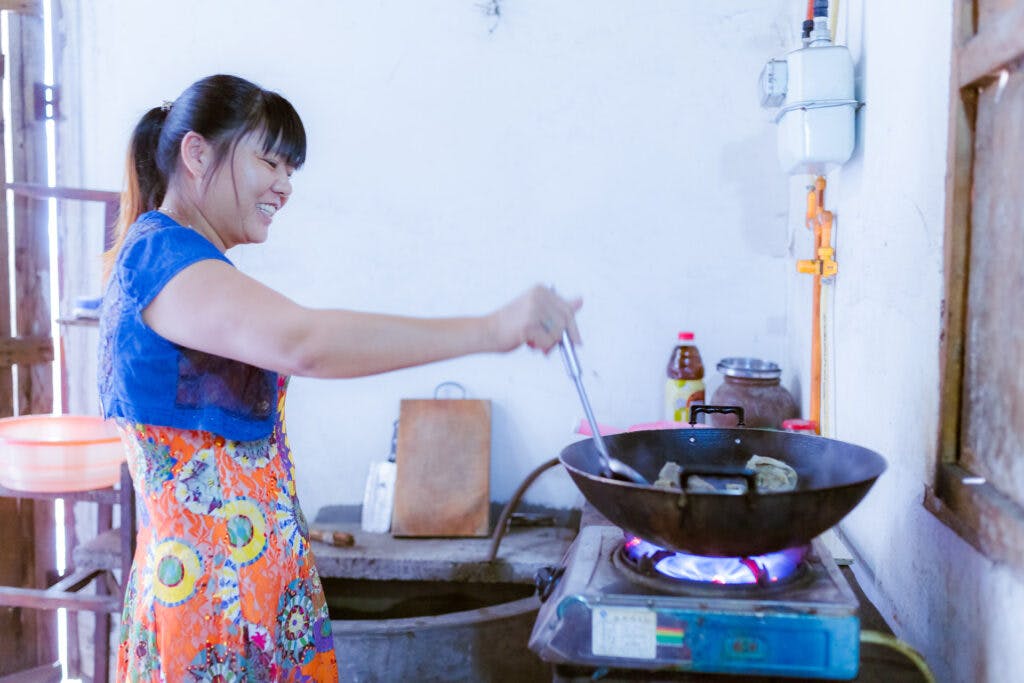
The project also delivers significant economic and social benefits. Participating households save money through reduced spending on energy and fertilisers and increased agricultural productivity, while health improves due to reduced indoor air pollution. Gender equality is promoted as women, who traditionally bear the burden of cooking and fuel collection, save approximately 1.5 hours per day, freeing up time for income-generating activities and family life.
All biogas equipment distributed under the programme is installed and maintained by the Sichuan Rural Energy Office (SREO) through its extensive network of local service centres and certified biogas technicians across the province. Every household supported by this programme receives training by SREO staff on the safe use of biogas to prevent accidents and make sure that the biogas digesters operate without malfunctions or interruptions until, or beyond, their 20-year lifetime. The programme has created around 10,000 jobs linked to biogas plant construction and maintenance, including approximately 1,000 roles for women.
Sustainable Development Benefits
- SDG 3 – Good Health and Well-being
Improved health outcomes due to reduced indoor air pollution and improved hygiene at the household level, particularly benefiting women and children who spend more time in the home. - SDG 5 – Gender Equality
By replacing traditional fuels with biogas, women who usually manage cooking and fuel collection save approximately 1.5 hours per day, creating more time for income-generating activities and family life. - SDG 6 – Clean Water and Sanitation
Improved waste management, reduced fertiliser and pesticide use, and enhanced sanitation systems help protect soil and water resources while benefiting both communities and ecosystems. - SDG 7 – Affordable and Clean Energy
Households gain access to clean, reliable, convenient and affordable biogas for cooking, lighting and heating. - SDG 8 – Decent Work and Economic Growth
The project has generated an estimated 10,000 jobs in the local biogas sector, including around 2,000 permanent and 8,000 temporary positions linked to construction and maintenance activities. From all new jobs related to this programme, around 1,000 roles have been created for women. - SDG 13 – Climate Action
The programme saves approximately 725,000 tCO2e of greenhouse gas emissions annually and reduces coal consumption by around 340,000 tonnes per year.
Stories from the ground
Local communities are already experiencing the benefits. One farmer shared: “Biogas is very easy to use, and we can save some money. In one year, we can save more than 1,000RMB. It is also very clean, while burning wood wasn’t clean at all... It’s convenient, cheap and hygienic... Biogas could be used for bathing and lighting too, saving a great amount of energy.”
Another resident explained: “Before the installation of the underground biogas digester, we used to collect and burn firewood or buy coal briquettes and fire them. The air was full of fire ashes, and the kitchen was filled up with smoke.”
According to project manager Fu Yinyin, biogas digesters also bring important hygiene benefits by reducing germs and bacteria. One farmer added: “We used to collect firewood on the hillside. During rainy days it was a difficult chore. With the aid of biogas, our life has now significantly improved”.
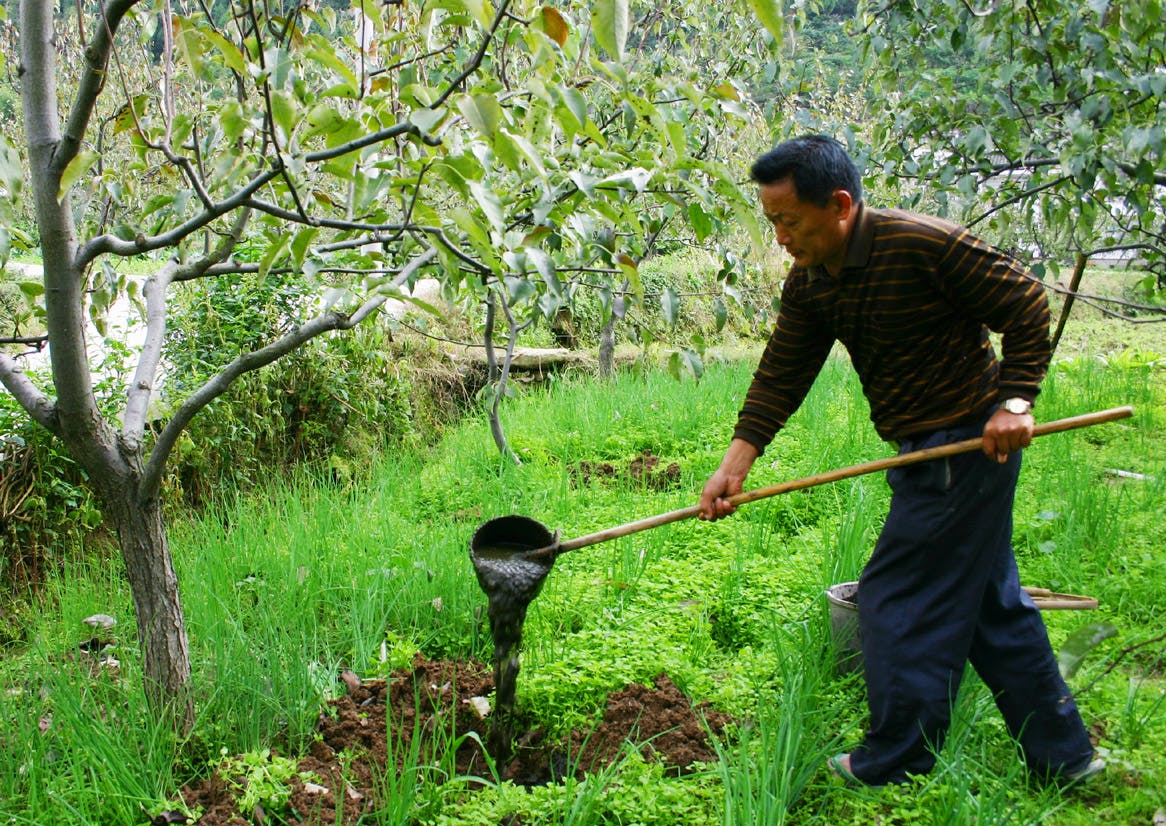
Another household highlighted the agricultural benefits: “Biogas has several advantages: pigs can provide the feedstock for biogas generation, and the digested manure can be spread in the fields as fertiliser. It works much better than chemical ones. Thanks to biogas, we can save fuel, money and manpower.”
Support the project
The Sichuan Household Biogas Programme demonstrates how a single solution can address multiple challenges at once in a region facing economic, environmental and social pressures. Carbon market finance enables this project to reduce emissions while delivering wide-ranging benefits for communities, livelihoods and ecosystems.
The programme contributes to 14 Sustainable Development Goals, with six impacts verified under the Gold Standard for the Global Goals.
By supporting the Gold Standard-certified Sichuan Household Biogas Programme, you help distribute and maintain a proven climate solution and create a healthier, more sustainable future for underprivileged rural communities.
About UPM Umwelt-Projekt-Management GmbH
The Sichuan Household Biogas Programme of Activities (PoA) has been developed by German project developer UPM Umwelt-Projekt-Management GmbH (UPM) in close cooperation with its Chinese business partner Chengdu Oasis Science and Technology Co., Ltd. (Oasis) and the Sichuan Rural Energy Office (SREO), a government-affiliated body responsible for promoting renewable energy and sustainable rural development across Sichuan Province.
With decades of experience in household biogas deployment, SREO oversees installation, quality control, maintenance and long-term monitoring through a province-wide network of service centres and certified technicians. This local presence ensures the programme delivers durable climate, health and livelihood benefits for participating households.