
From cattle pasture to 8,539 hectares of restored land
Started in 1995, Tropical Mix is one of the first land-use and forestry projects certified under Gold Standard. Three decades later, it continues to restore degraded land in Panama while supporting biodiversity, cocoa production and rural livelihoods.

When pasture replaces forest
When a forest becomes pasture, carbon stored in vegetation is lost, wildlife habitat becomes fragmented, and exposed soils are more vulnerable to degradation. For rural communities, degraded land can also mean fewer opportunities to earn a dependable living from it. Globally, the scale remains stark: the UN Food and Agriculture Organization estimates that 10.9 million hectares of forest, roughly equivalent to the size of Guatemala, were lost to deforestation each year between 2015 and 2025.
In parts of Panama, land that once supported forest was converted to extensive cattle ranching. Restoring it requires more than planting seedlings. Trees must survive, forests need to be managed over decades, and the surrounding landscape has to work for the people who live there. That is a difficult proposition if conservation competes with the immediate need for jobs and income.
Tropical Mix was built around this challenge: how can degraded pasture become productive forest again while supporting biodiversity, measurable carbon removals and local livelihoods?
Making restored forests viable
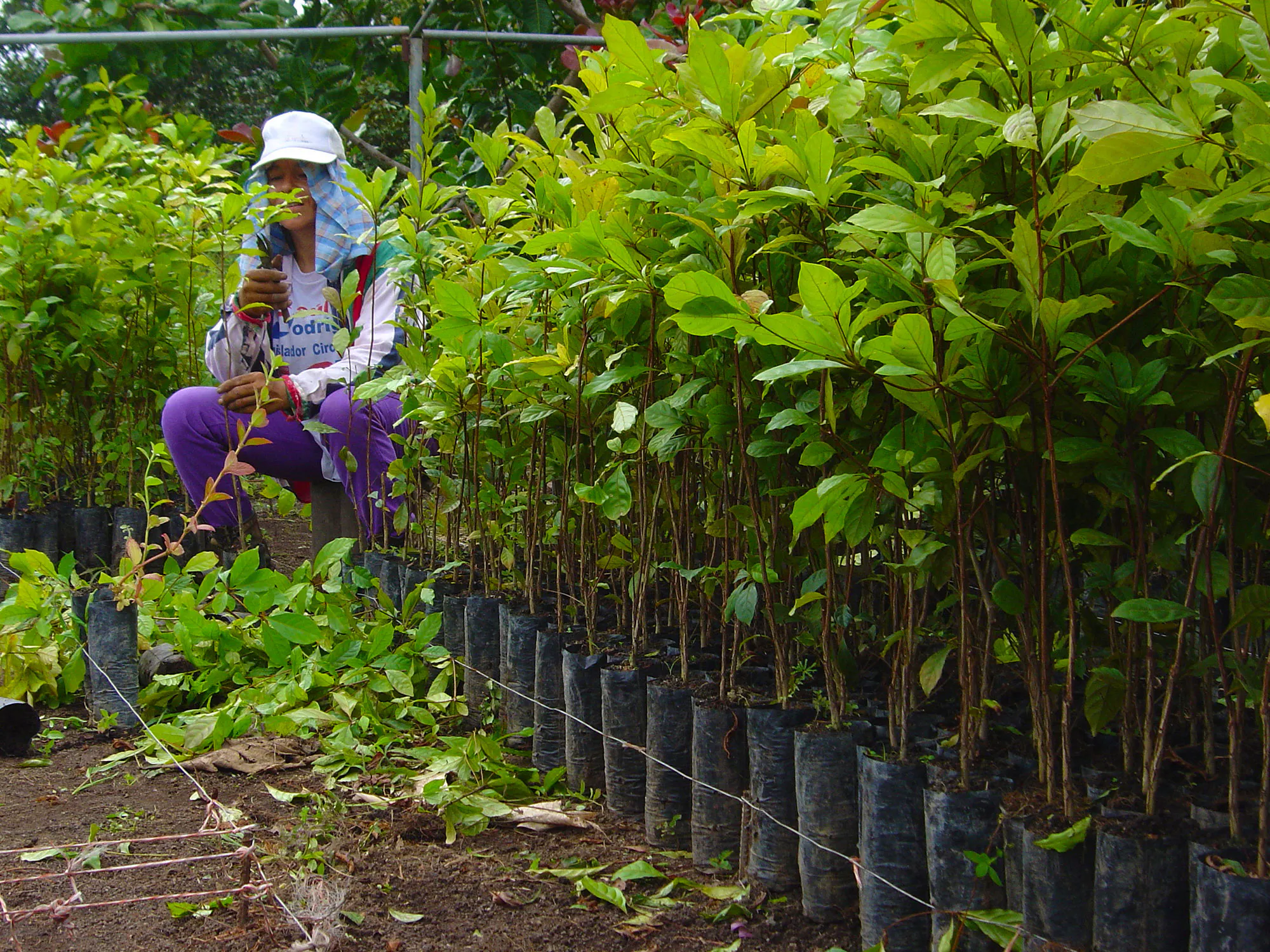
Preventing further forest loss is essential. So is restoring land already degraded, especially where doing so can reconnect habitat and create a lasting economic alternative to low-productivity land use. A credible restoration model combines suitable tree species, long-term land management and monitoring with practical ways for local people to benefit.
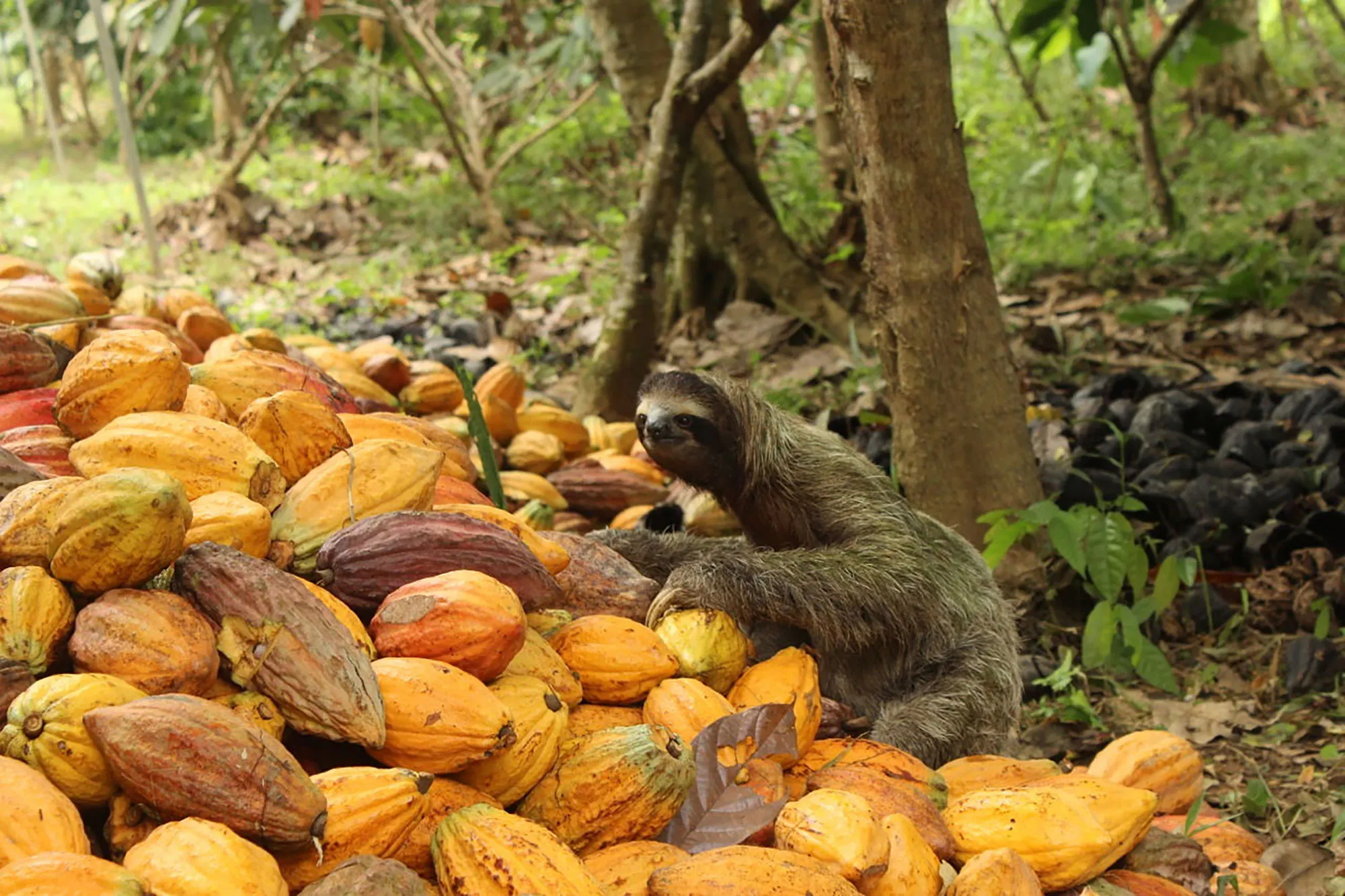
Tropical Mix puts these elements together. Across its project sites, formerly degraded land has been replanted and managed as mixed forest, using native species alongside teak. Existing forest patches and other designated areas are conserved. Responsible timber production and, in parts of the project, organic cocoa agroforestry provide income streams linked to maintaining the landscape. Local employment and training connect forest management to rural livelihoods.
The economics matter. Trees require years of care before timber and cocoa can support the system at scale. Carbon finance has helped make that long-term investment viable by attaching value to monitored removals.
Tropical Mix in Panama
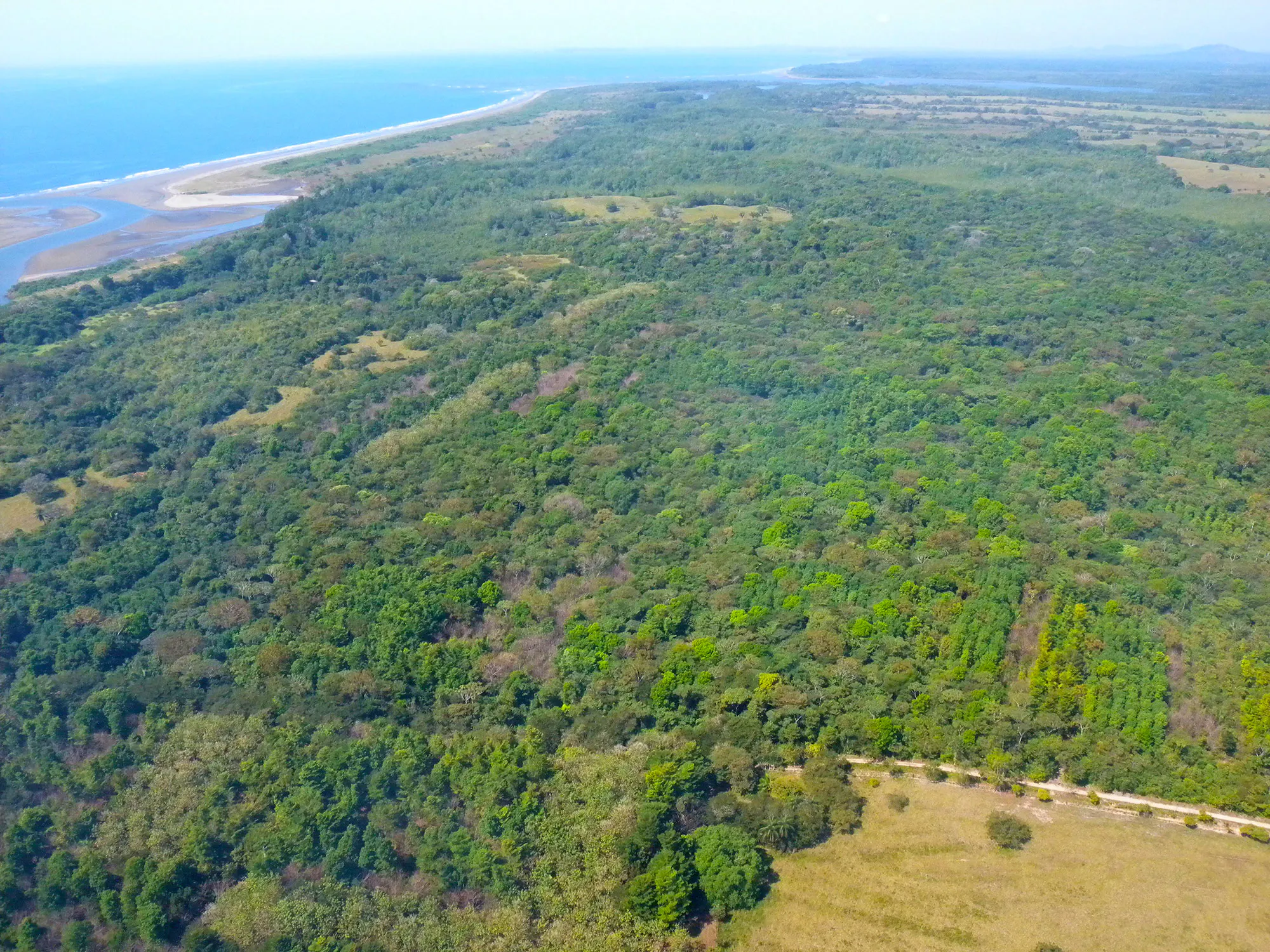
Established in 1995, Tropical Mix (Gold Standard project GS2940) operates across several regions of Panama, including Darién, Veraguas, Chiriquí and Bocas del Toro. The total project area is 13,242 hectares. Within it, 8,539.4 hectares of degraded land are recorded as restored through afforestation, reforestation and sustainable forest management. A further 4,669.75 hectares, or 35.26% of the total area, are designated as conservation areas.
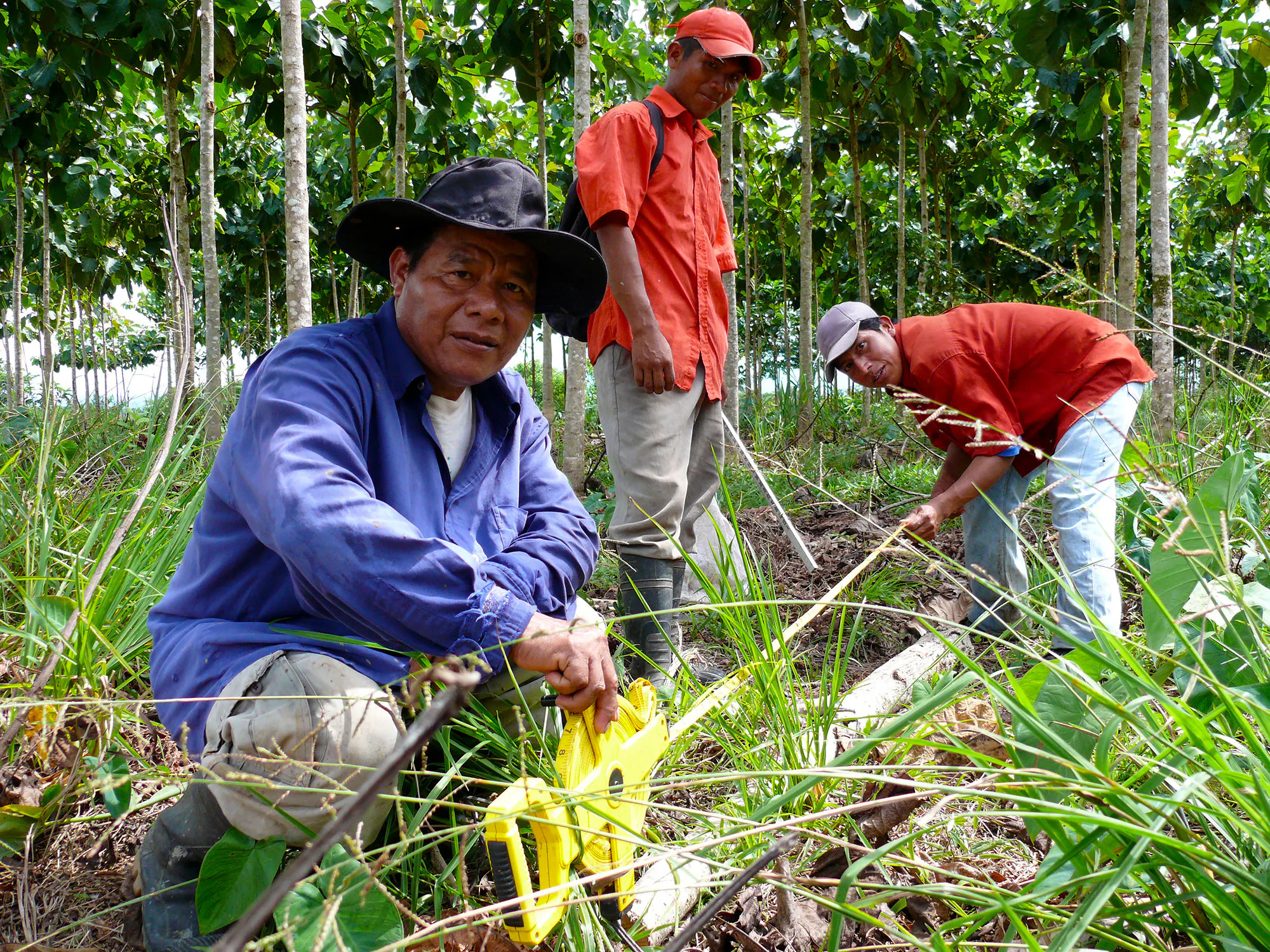
The project combines mixed-species forestry, selective harvesting and cocoa agroforestry in parts of the landscape. FORLIANCE is the project developer, working with local project participants and managers. Tropical Mix was among the early forestry projects certified under Gold Standard; its Gold Standard crediting period ran from September 1995 through December 2024. Forest management and conservation continue beyond that date.
What the project has delivered
Land once degraded by cattle ranching now tells a different story. Tropical Mix has restored 8,539 hectares and designated 4,669.75 hectares, more than a third of the project area, for conservation. Reforestation has included 20 native tree species, and the restored and protected areas help connect habitat for wildlife, including threatened species documented across the sites. The latest independent verification confirmed 441,620 tCO₂e of removals after the 20% buffer contribution. These outcomes contribute to climate action and life on land (SDGs 13 and 15).
The benefits extend to nearby communities. In 2024, Tropical Mix employed 154 people in full-time and part-time roles and provided four staff training sessions. The project also supports local schools and environmental education. Profits from carbon-credit sales are shared with communities to help fund education, healthcare and infrastructure (SDGs 1 and 8).
FSC-certified timber, organic cocoa and seed material provide income alongside carbon credits (SDG 12). Together, these activities show how restoring land can create economic opportunities while delivering measurable climate and nature benefits.
Stories from the ground
“The difficult part of forest restoration is the time it takes. Trees need years to grow, while planting, local jobs and monitoring need funding from the start. Tropical Mix shows the role carbon finance can play in closing that gap. It helped bring forest back to degraded pasture in Panama and produced carbon removals that have been independently verified. That is why projects like this matter to us: they make long-term climate investment possible while creating opportunities for people and setting land aside for nature.”
- Alona Mikhova, Project Portfolio & Commercialization Manager at FORLIANCE
“Since the project was established in Las Lajas, we have experienced its benefits firsthand. It does not focus only on economic sustainability; it also takes social responsibility seriously. Employees are valued and recognised as essential to the project’s continued development, and we receive benefits such as social security and life insurance.”
- Andi Castillo, a field worker in Chiriquí, Panama (Tropical Mix Project)
Conclusion
Tropical Mix shows what restoring degraded land can achieve: independently verified carbon removals, designated conservation areas and economic opportunities linked to forestry and cocoa. Results like these take years of investment, making support for forest restoration projects vital. Explore Tropical Mix on the Gold Standard Marketplace and purchase credits when available to support the project and its documented impact.
About FORLIANCE
FORLIANCE develops nature-based climate projects and helps organisations build credible climate strategies. Since 1998, it has worked with partners on land-use and forestry projects that address climate change while supporting biodiversity and local livelihoods. Its expertise spans project design, implementation, carbon certification and monitoring. FORLIANCE also connects projects with buyers seeking independently verified climate outcomes and a clear understanding of the landscapes and communities behind them. By combining technical expertise with local collaboration, the company helps turn complex land-use challenges into practical climate projects.