
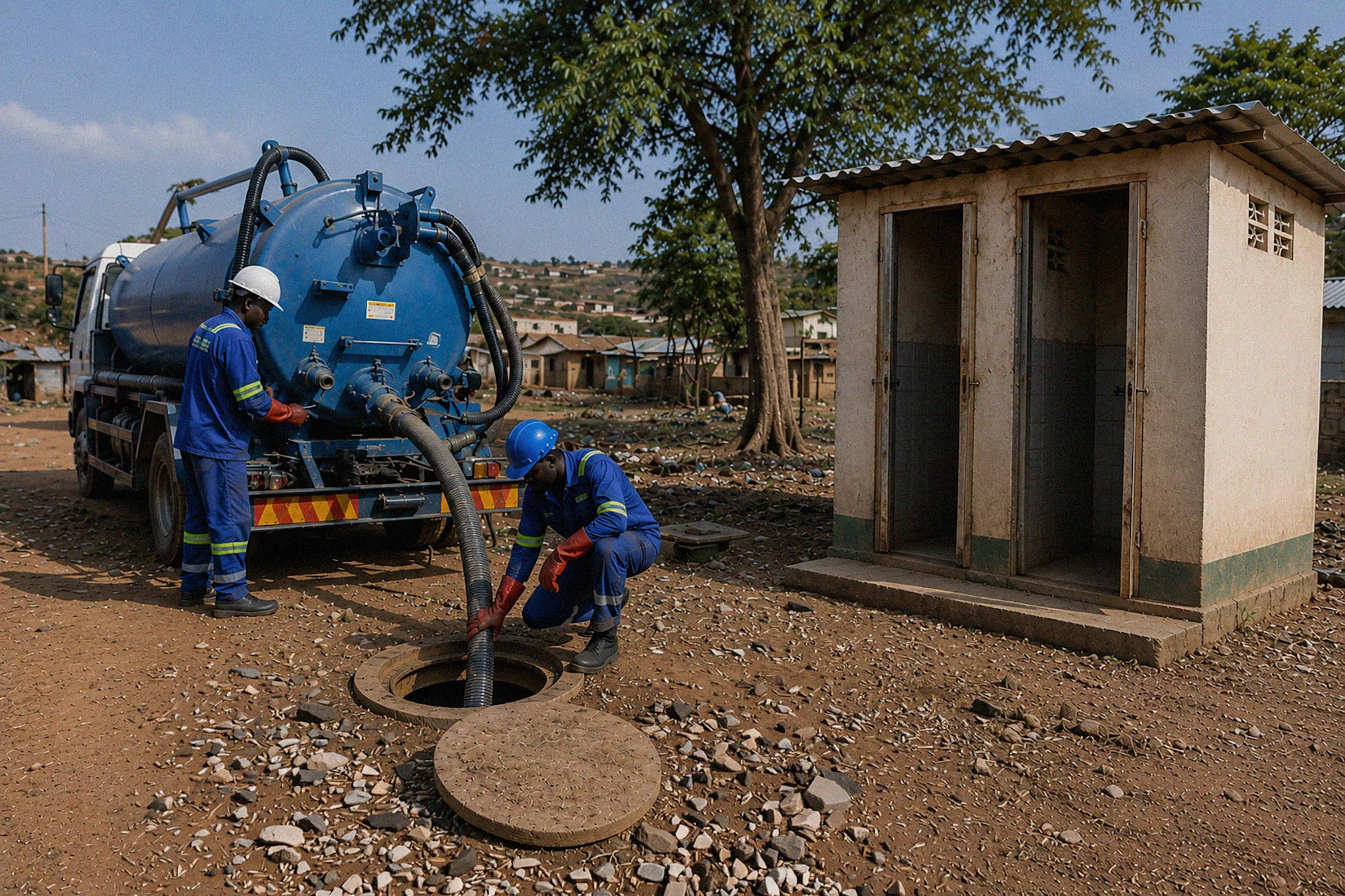
The Safe Sanitation Services methodology is designed to facilitate climate finance for activities improving sanitation conditions, a foundational element of human health, safety, and dignity.
The methodology quantifies greenhouse gas (GHG) emission reductions achieved by safely managing sanitation waste. By doing so, it avoids the methane (CH4) emissions that would have occurred during the anaerobic decomposition of human waste in traditional, infrequently emptied pit latrines, septic tanks, and unmanaged environments. The methodology integrates a suppressed demand framework. This framework recognises that populations currently practicing open defecation or relying on unimproved sanitation are constrained simply by a lack of basic infrastructure.